The Game Within the Game: How Sports Betting Rewired the American Fan
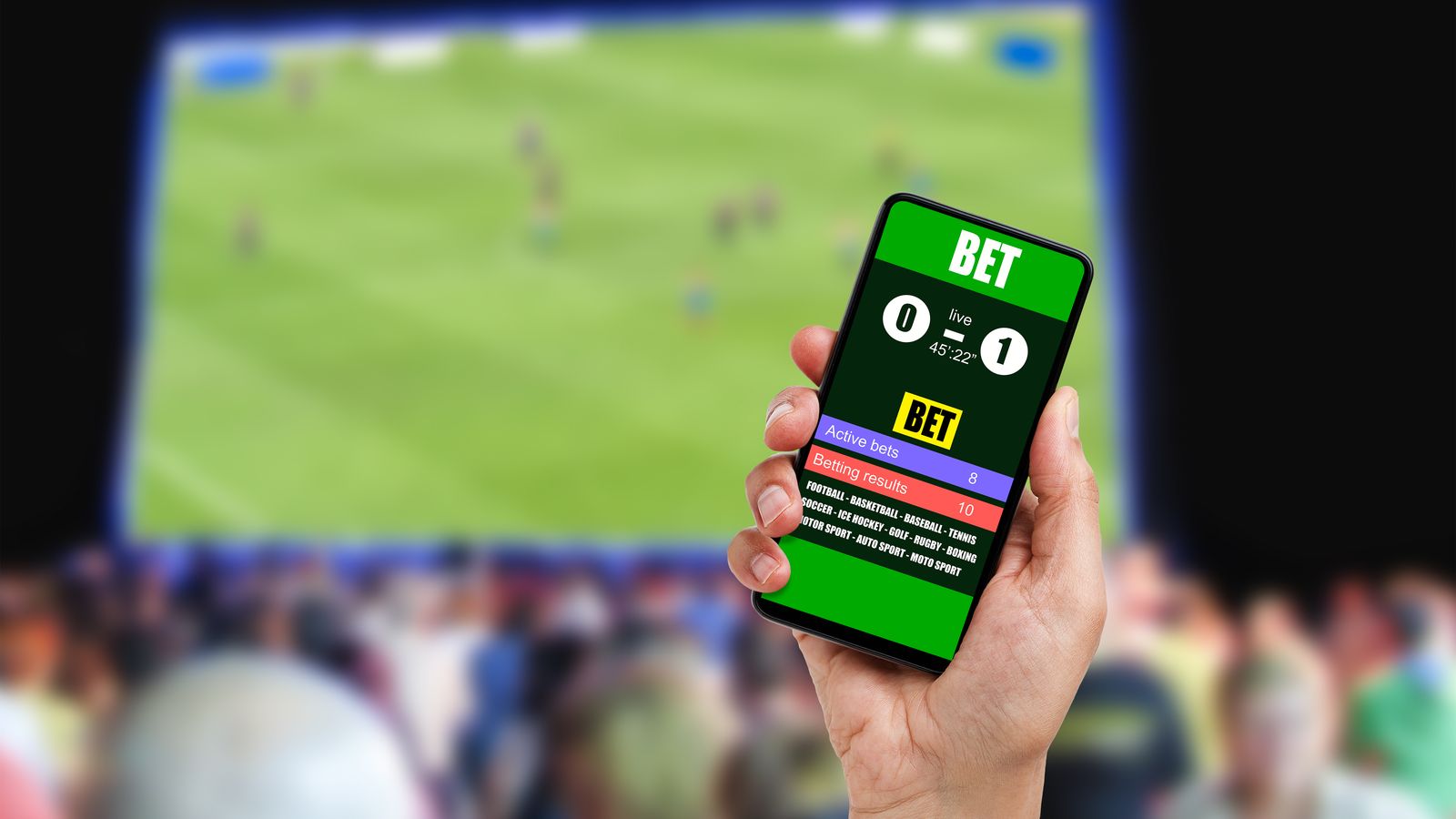
There is a scene playing out in living rooms, sports bars, and stadium seats across America that would have looked bizarre just a decade ago. A fan checks his phone mid-play — not to text someone, not to check a score, but to place a live wager on whether the next pitch will be a ball or a strike. Around him, others are doing the same. The game on the screen is secondary. The game on the phone is the one that matters.
This is the new architecture of American sports fandom. And it didn't happen gradually. It happened in a single legal moment, followed by one of the most aggressive marketing campaigns in consumer industry history.
On May 14, 2018, the Supreme Court struck down the Professional and Amateur Sports Protection Act of 1992 — a federal law that had, with narrow exceptions, banned state-sponsored sports betting across the country for nearly three decades. The ruling in Murphy v. NCAA handed authority to the states, and the states did not hesitate. Within months, New Jersey, Delaware, West Virginia, Pennsylvania, and Mississippi had active betting markets. Today, sports betting is legal in 38 states and Washington, D.C., with mobile apps accounting for roughly 95 percent of all bets placed.
The numbers since then have been staggering. In 2024, Americans legally wagered $147.9 billion on sports — a 23.6 percent increase from the year before — generating $13.71 billion in sportsbook revenue. That figure marked the fourth consecutive annual record. The industry's growth has been so swift and so total that it has fundamentally altered not just how games are monetized, but how they are experienced.
The question worth asking now — past the lobbying language and the celebratory revenue reports — is a simpler one: what did we actually trade away?
From Spectator to Stakeholder
For most of American sports history, fandom was a collective act. You rooted for a team. You suffered with them. You celebrated with strangers who happened to wear the same colors. The emotional core of watching sports was identification — with a city, a franchise, a player, a tradition.
Betting does not eliminate that, but it introduces a powerful competing emotional current. When money is on the line, the object of concern shifts. A fan who has wagered on an over/under total watches the game differently than one who hasn't. Every possession, every at-bat, every penalty becomes a financial event. The communal experience of fandom — the shared joy and suffering that gives sports its cultural weight — quietly gives way to something more transactional and more solitary.
Nearly half of sports bettors aged 21 and older report that betting has driven them to watch games, teams, or leagues they don't typically follow. That sounds like expanded engagement, and in narrow terms it is. But it also means that for a growing portion of the viewing audience, the connection to what they're watching is not rooted in loyalty or love of the sport. It's rooted in money. Leagues that have long worried about building fan bases — particularly among younger audiences who are less attached to legacy franchises — should take that trade carefully.
In-play wagering has accelerated this dynamic. The International Betting Integrity Association estimated in 2024 that 47 percent of all bets placed were live, in-game wagers. Platforms like FanDuel and DraftKings have engineered their products specifically to function as parallel viewing companions — a second screen experience that keeps users engaged pitch-by-pitch, possession-by-possession. Research from Variety's Intelligence Platform found that 29 percent of bettors paid full attention to blowout games when they had money on them, compared to just 10 percent of non-bettors. The industry celebrates this as enhanced engagement. What it actually describes is a population that requires a financial stake to remain interested.
The Infrastructure of Normalization
None of this happened organically. The mainstreaming of sports betting has been a deliberate industry project, and broadcasters have been willing partners.
FanDuel, which held 43 percent of U.S. sports betting revenue as of early 2025, has collaborated directly with television networks to embed real-time odds into live programming. The NBA struck betting partnerships with MGM Resorts and FanDuel, providing sportsbooks with proprietary data feeds. The Washington Wizards and Washington Capitals established in-arena sportsbooks, allowing fans to place wagers physically inside the venue during games. In 2024, there were an estimated 137.9 million online sports betting users active nationwide — a figure projected to reach 181.3 million by 2029.
The advertising has been relentless. During major sporting events, sportsbook commercials compete for the same airtime as beer and car ads, with the same production budgets and the same celebrity endorsements. Terms like "parlay," "spread," and "bad beat" have migrated from the back rooms of illegal bookmaking operations into everyday conversation. Casual fans who have never placed a bet understand the vocabulary. College students, according to research published in 2025, increasingly treat sports betting not as gambling in the traditional sense but as normalized leisure activity — something you do the way you stream a show or scroll a feed.
The economic machinery behind this normalization is not subtle. Franchise valuations have soared over the past two decades. The sale of the Los Angeles Lakers in fall 2025 — at $10 billion — signaled that professional sports franchises have fully completed their transformation into financialized assets, owned by private equity and institutional investors who expect consistent returns. Betting partnerships are central to the revenue diversification strategies those owners rely on. When a league signs a gambling company as a data partner, it is not simply endorsing a product. It is restructuring its own financial incentives around wagering activity.
The Cost Nobody Advertised
The promotional materials for sports betting tend to feature attractive people looking pleasantly excited about modest, consequence-free wagers. The actual data tells a different story.
Sportsbook revenue in 2024 — $13.7 billion — was driven disproportionately by a small number of frequent, high-volume bettors. That concentration is not an accident of market structure. It reflects how addiction functions. Research published across multiple academic contexts has found consistent psychosocial risks associated with sports betting, including anxiety, depression, financial instability, and damaged relationships. A 2024 survey of NFL fans found measurable variation in emotional dependency and behavioral compulsion around wagering. College campuses have become particularly lucrative targets for sportsbook operators, precisely because students are both financially inexperienced and psychologically primed for risk.
At a December 2024 Senate Judiciary Committee hearing titled America's High-Stakes Bet on Legalized Sports Gambling, senators focused significant attention on one of the less-discussed consequences of the betting boom: what it has done to the athletes whose performances underpin every wager.
An NCAA study conducted two months prior found thousands of abusive messages directed at student-athletes, with at least 12 percent of that abuse related to sports betting. In men's basketball and football, the rate climbed to 19 percent. These are not frustrated fans venting about a loss. These are people who believe, with the logic of a financial grievance, that a 19-year-old who missed a free throw cost them money.
The professional ranks have experienced the same thing at greater scale. MLB players Lance McCullers Jr. and Liam Hendriks both reported death threats against their families within weeks of each other in 2025. McCullers received threats from a man who threatened to find his children and kill them — traced to an overseas bettor who lost money on a single game. Hendriks, who had publicly survived cancer, received messages telling him to take his own life. A survey of NHL players found that one-third reported fan harassment was on the rise since sports betting legalization. NBA star Jalen Brunson described receiving messages so vile that he considered publicly posting them. Kevin Durant, in a moment of remarkable candor, posted directly to a harassing fan: "Stop blaming me for losing money because you have a gambling problem."
In February 2026, BetMGM became the first major sportsbook to introduce an explicit athlete anti-harassment policy, announcing it would suspend or permanently ban accounts belonging to users who threatened, harassed, or abused players, coaches, or officials. The policy was framed as an industry milestone. What it actually acknowledged, implicitly and belatedly, is that the industry created the problem it is now claiming credit for addressing.
The Integrity Question
Beyond fan behavior, sports betting has begun reshaping the games themselves — or, more precisely, creating conditions in which the games are more easily manipulated.
Prop bets — wagers on individual player statistics rather than game outcomes — have become one of the most profitable segments of the sportsbook market. They also represent the easiest avenue for player manipulation. NBA agent Daniel Hazan has publicly warned that players now have countless opportunities to influence betting results through prop bets, which are harder to police than game-result tampering.
In 2024, NBA player Jontay Porter was permanently banned after withdrawing from games to benefit bettors who had wagered on his statistical lines. In 2025, Cleveland Guardians pitchers Emmanuel Clase and Luis Ortiz were federally indicted on charges of rigging pitch-by-pitch prop bets — a scheme that allegedly began in May 2023. In October 2025, 34 people were arrested and indicted in connection with rigged betting games tied to current and former NBA players, including Portland Trail Blazers coach Chauncey Billups. The FBI's involvement in professional sports gambling investigations has grown more visible with each passing year.
The NBA, in an October 2025 internal memo, acknowledged that it was "an opportune time to carefully reassess how sports betting should be regulated," noting that player prop bets in particular "raise heightened integrity concerns." That a league which has actively partnered with sportsbook operators and sold them proprietary data feeds is now circulating memos about integrity concerns is a remarkable institutional position to be in.
What Fandom Costs Now
The dominant narrative around sports betting legalization has been one of liberation — the end of hypocrisy, the bringing-above-ground of something that was already happening in the shadows, the creation of a regulated market that generates tax revenue and serves willing consumers. There is truth in all of that.
But the more complete picture is murkier. The fan who watches a game with money on the line watches a different game than the fan who doesn't. The emotional experience is narrower, more anxious, and more private. Social media feeds once shared celebrations and arguments about sports are now full of parlay slips and loss confessionals. Some fans describe feeling pressure to wager simply to remain part of the conversation. The emotional register of fandom — which, at its best, is about solidarity, shared investment, and the beauty of unpredictable competition — has drifted toward something colder and more transactional.
None of this is irreversible, and the harms are unevenly distributed. Millions of people bet casually and enjoyably without incident. But the industry's economic incentives are not aligned with casual, occasional bettors. They are aligned with volume, frequency, and dependency. The same people who built platforms explicitly designed to deepen engagement — to make the second screen as compelling as the first — are now publishing responsible gambling disclosures in small print.
The game is still on. But increasingly, for a large and growing slice of the audience watching it, it stopped being the point.